A new regulation issued by Futian District, Shenzhen marks a turning point for the high-altitude cleaning industry.
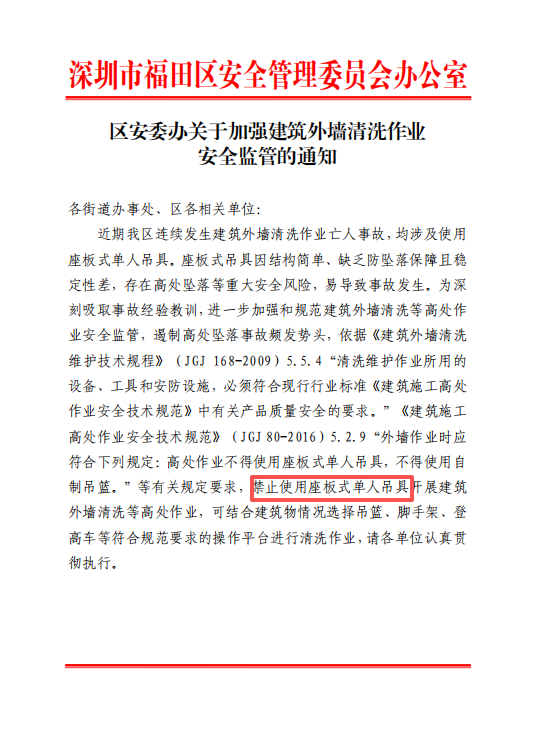
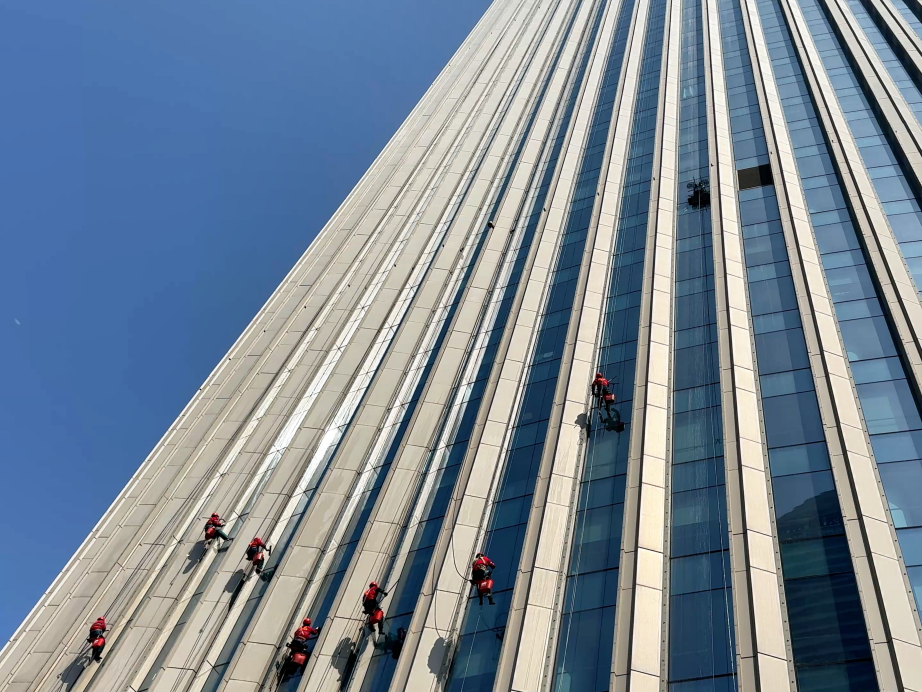
In 2025, the Office of the Safety Management Committee of Futian District, Shenzhen promulgated a circular on strengthening safety supervision for building exterior-wall cleaning operations. It explicitly bans high-altitude work using suspended board-style single-person harnesses, commonly known as the “spider-man” method.
For more than three decades, high-rise curtain-wall cleaning has been largely dominated by the “spider-man” approach. A few wooden planks, one main rope and one auxiliary rope constitute the mainstream work tools of this industry, bringing extremely high operational safety risks. According to data from Lingjing Info, the fall-accident rate for manual high-altitude cleaning reached 0.3‰ in 2024, far exceeding the average for the construction sector. Seven high-fall accidents recorded in Songjiang District, Shanghai in one year resulted in a 100% fatality rate. Consequently, the labour pool willing to take on such high-risk work keeps shrinking, construction quotes keep rising year-on-year, yet cleaning quality varies from worker to worker and cannot be standardised.
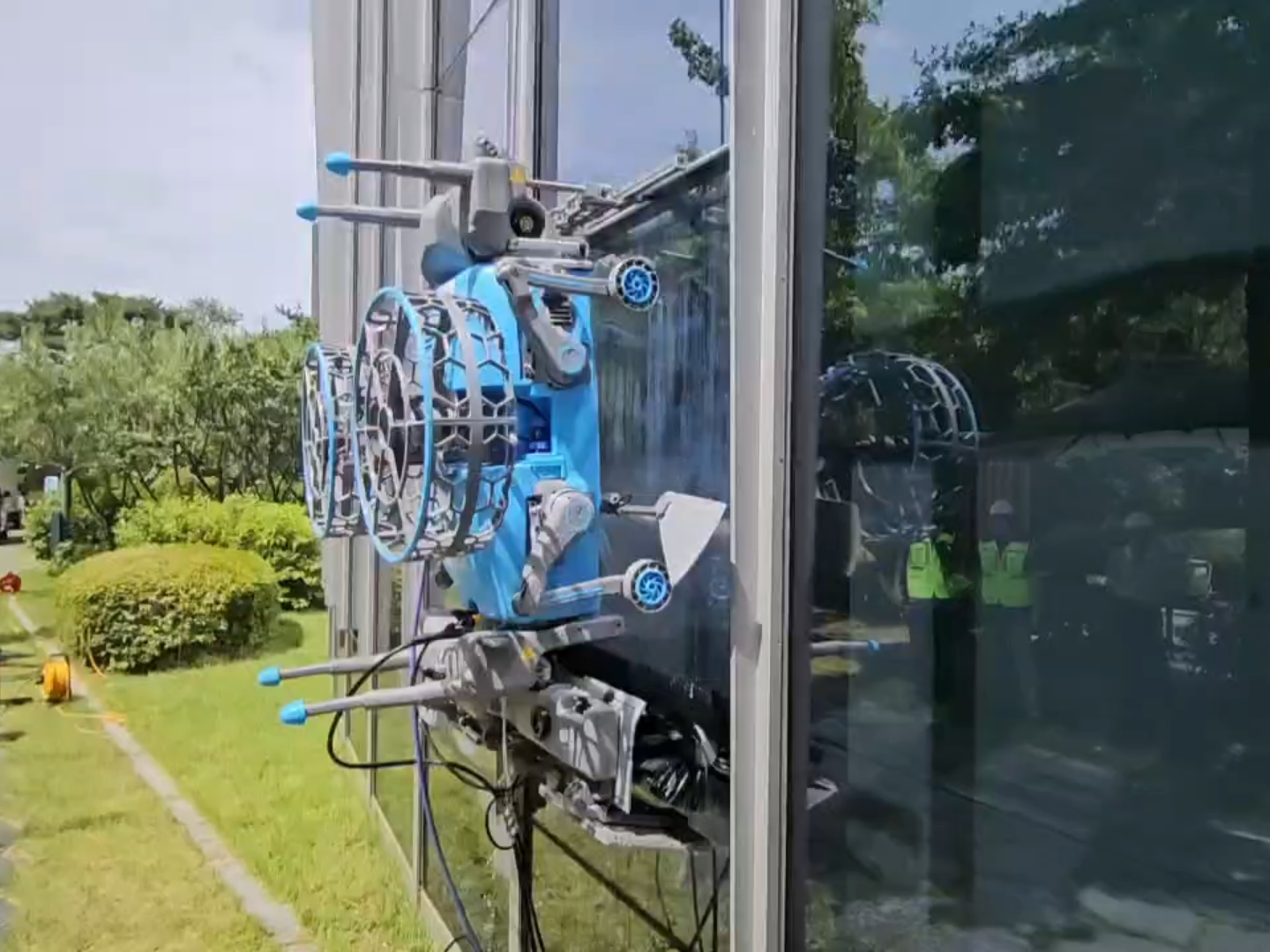
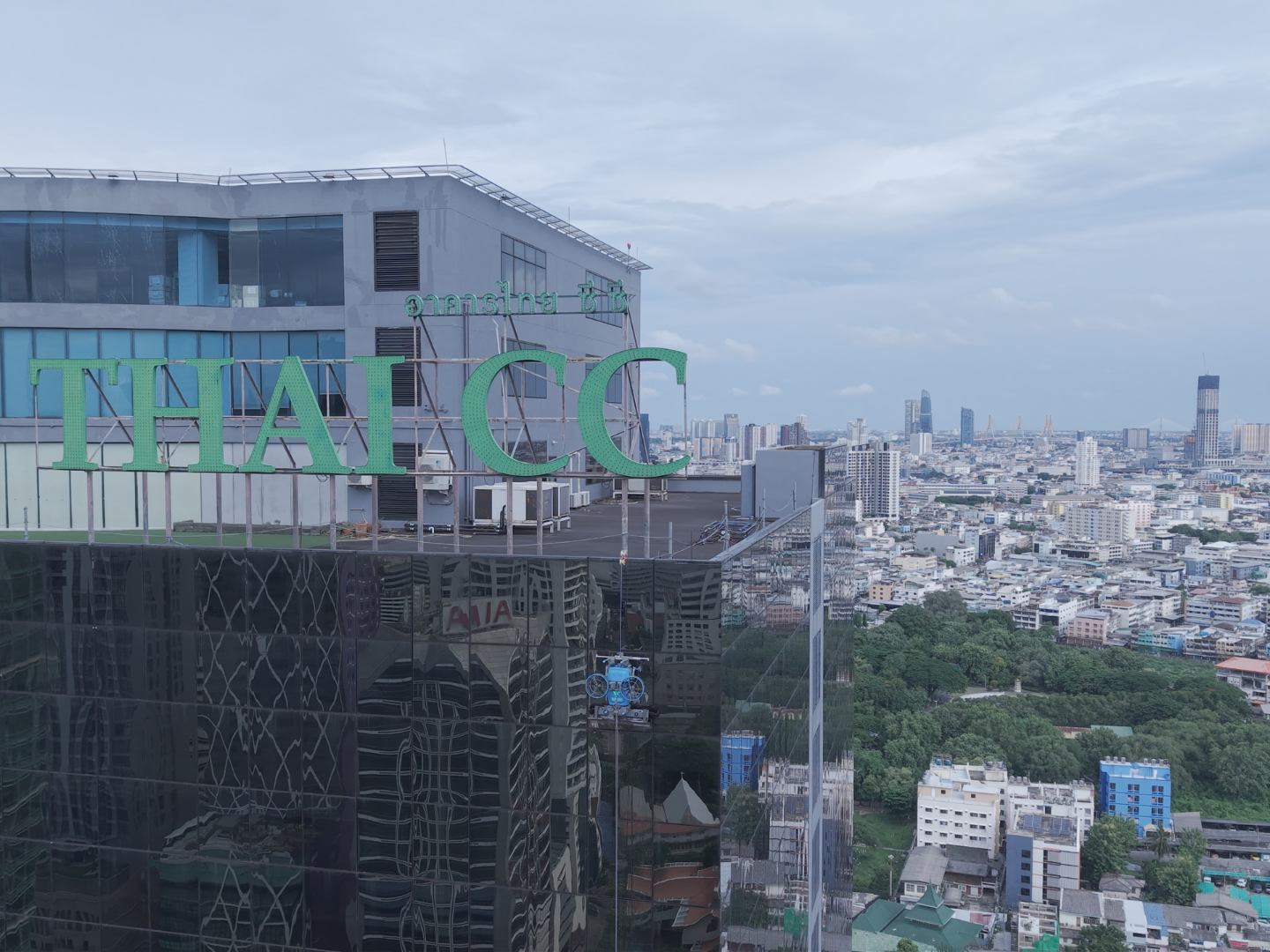
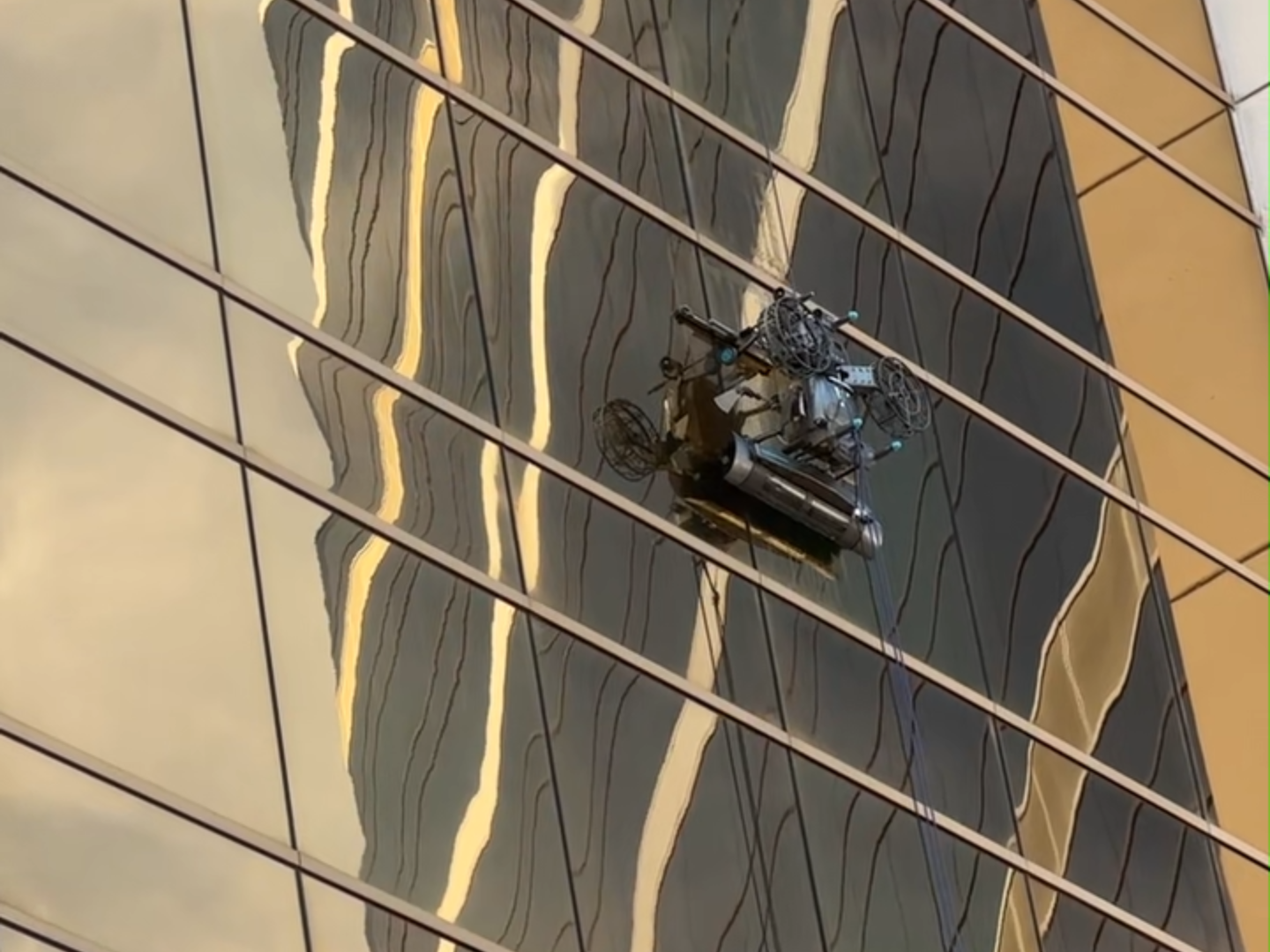
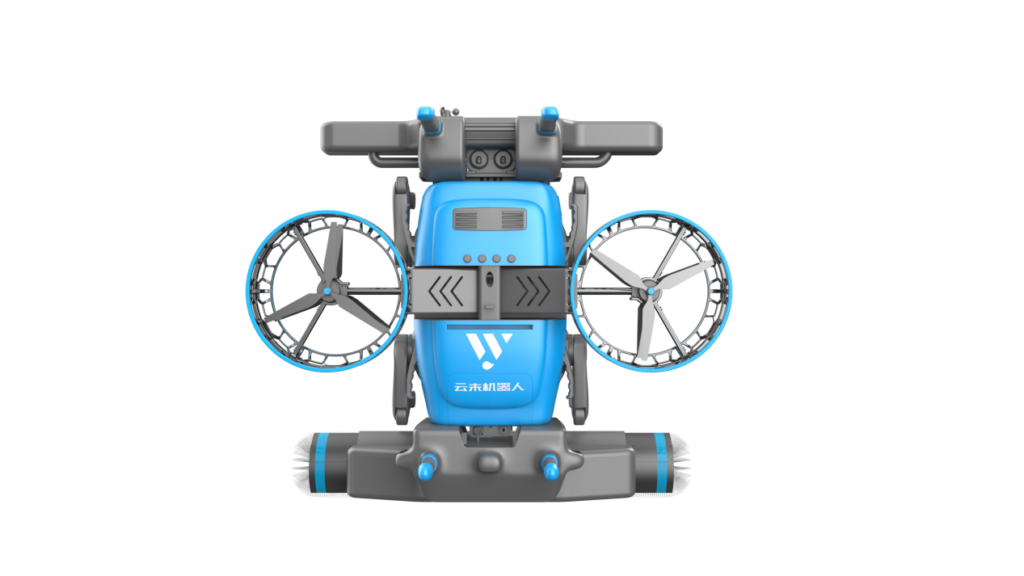
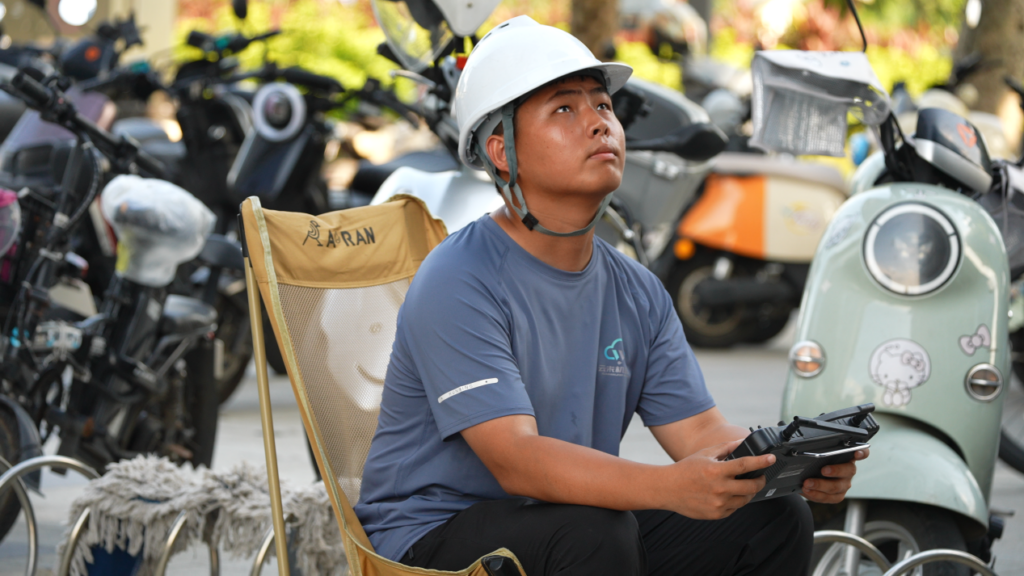
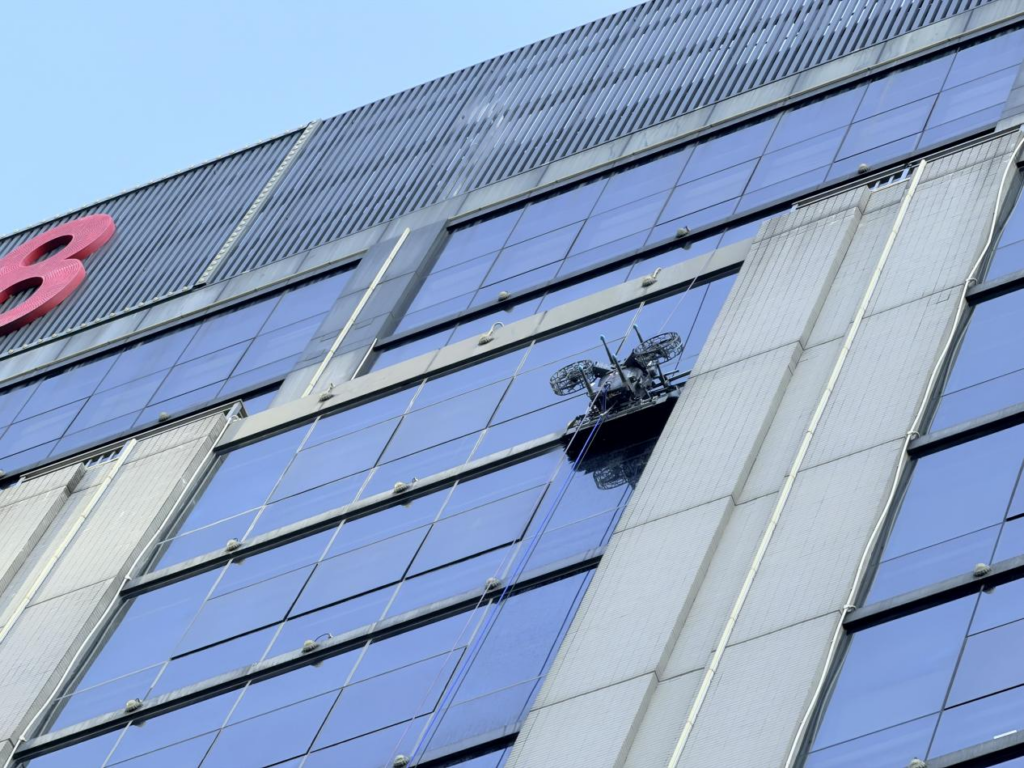
It is against this backdrop that CloudWalker Robotics entered the high-altitude curtain-wall cleaning market. Its world-first bionic curtain-wall cleaning robot, the Tianniu Q1, adopts disruptive innovations including bionic wheel-leg structures, coaxial dual propellers and AI binocular vision. It replaces the practice of “suspending workers down the facade” with “robots climbing up”. Operators remain on the ground throughout the whole process and control the robot remotely via tablet.
During real-world deployment at a super-high-rise office building in Shenzhen, the property management selected CloudWalker Robotics as its curtain-wall cleaning service provider after comparing against traditional “spider-man” solutions. A project lead commented: “When we relied on spider-men before, cleaning was done twice per year. Work had to stop on windy or rainy days, and worker safety was our biggest concern. After switching to robots, those safety worries have largely disappeared.”
Field engineers explained that the core disruptive technologies of the CloudWalker Tianniu Q1 robot address three major pain points. First, obstacle-surmounting capability: its bionic wheel-legs easily cross obstacles up to 20 cm high and adapt to all kinds of curtain-wall structures. Second, stable attachment: coaxial dual-rotor propellers deliver adjustable pressing force to keep the robot firmly positioned. Third, intelligent cleaning: AI binocular vision identifies dirt levels, while flexible rotary brushes and water-scraping systems deliver thorough cleaning without residual water streaks.
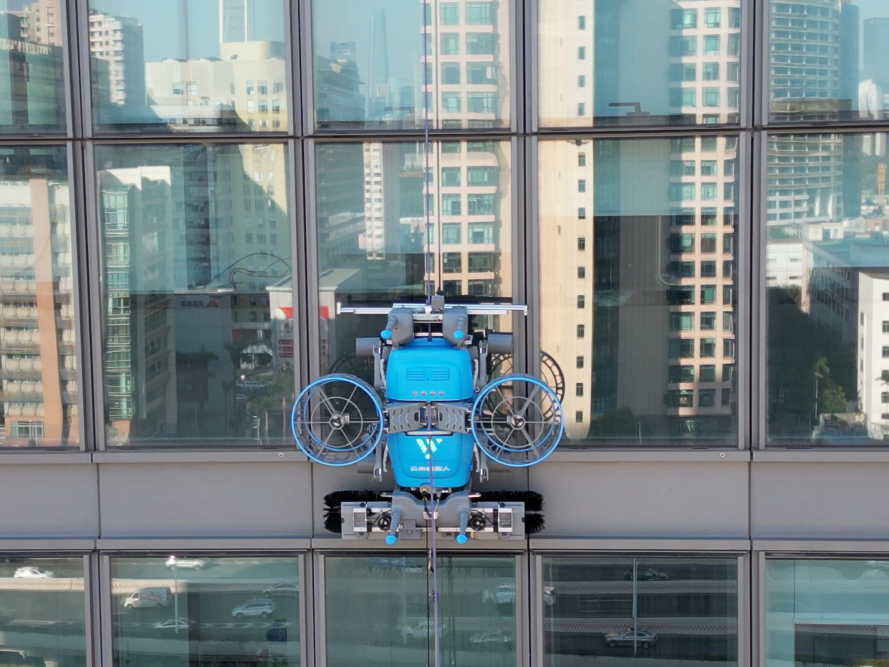
“In the old days, workers would hang dozens of storeys up in the air for an entire day to clean a building facade,” said a CloudWalker project manager. “Now we operate remotely from the ground and send the robot to do the high-rise work.”
Beyond safety improvements, efficiency gains are equally tangible. Traditional “spider-man” crews achieve an effective working area of only 300–500 square metres per day, heavily constrained by weather, light conditions and human factors. By contrast, CloudWalker robots consistently complete 1,500–2,000 square metres daily. Its work standards are quantifiable, with a 100% project-acceptance rate.
Following the roll-out of Futian District’s new rules, similar policies are under consideration across many parts of China. The high-altitude cleaning industry is shifting from “human-oriented supervision” to “technology-driven risk prevention”. CloudWalker Robotics has delivered more than one hundred projects across over ten provinces and municipalities nationwide, covering super-high-rises, complex-structure buildings and ageing curtain-wall facades. It has maintained an operational track record of zero safety incidents and 100% successful deliveries.
Regulatory pressure acts as a catalyst, yet technological maturity forms the fundamental driving force. When high-altitude work is no longer a life-threatening undertaking but a well-planned, controllable engineering task with predictable outcomes, the industry’s cost structures, safety standards and labour models will all be redefined. What CloudWalker Robotics achieves is not mere replacement, but upgrading and reconstruction of the sector.
The next chapter of the high-altitude curtain-wall cleaning industry starts with this step taken by CloudWalker Robotics.